POS System Guide: Choosing the Right Solution for Your Business
Managing transactions and inventory shouldn’t feel like guesswork. A POS system transforms how you track sales, manage stock, and understand customer behaviour. Whether you run a café, retail shop, or service business, selecting the right system means balancing functionality, cost, and reliability without the jargon.
Understanding POS Systems: Beyond the Cash Register
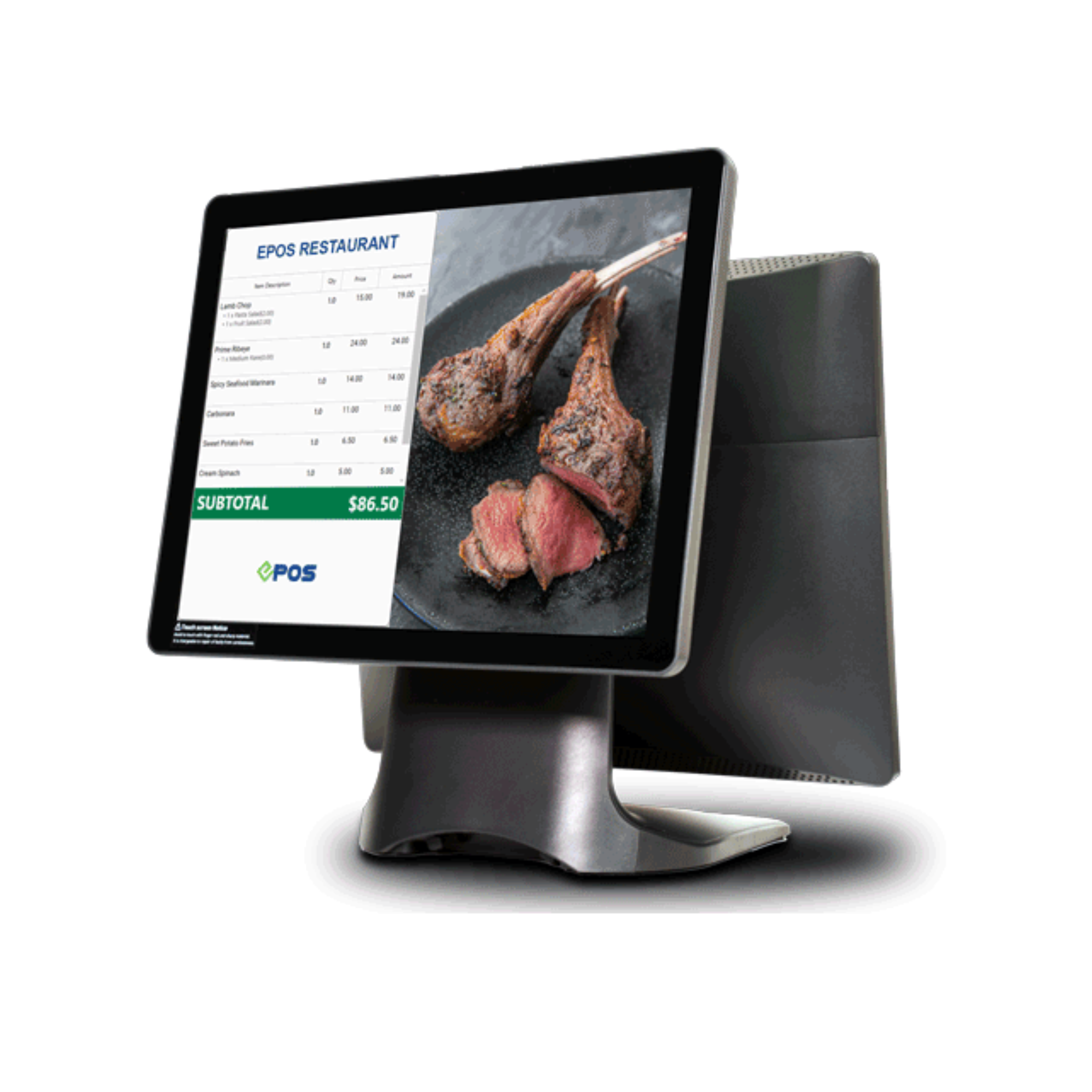
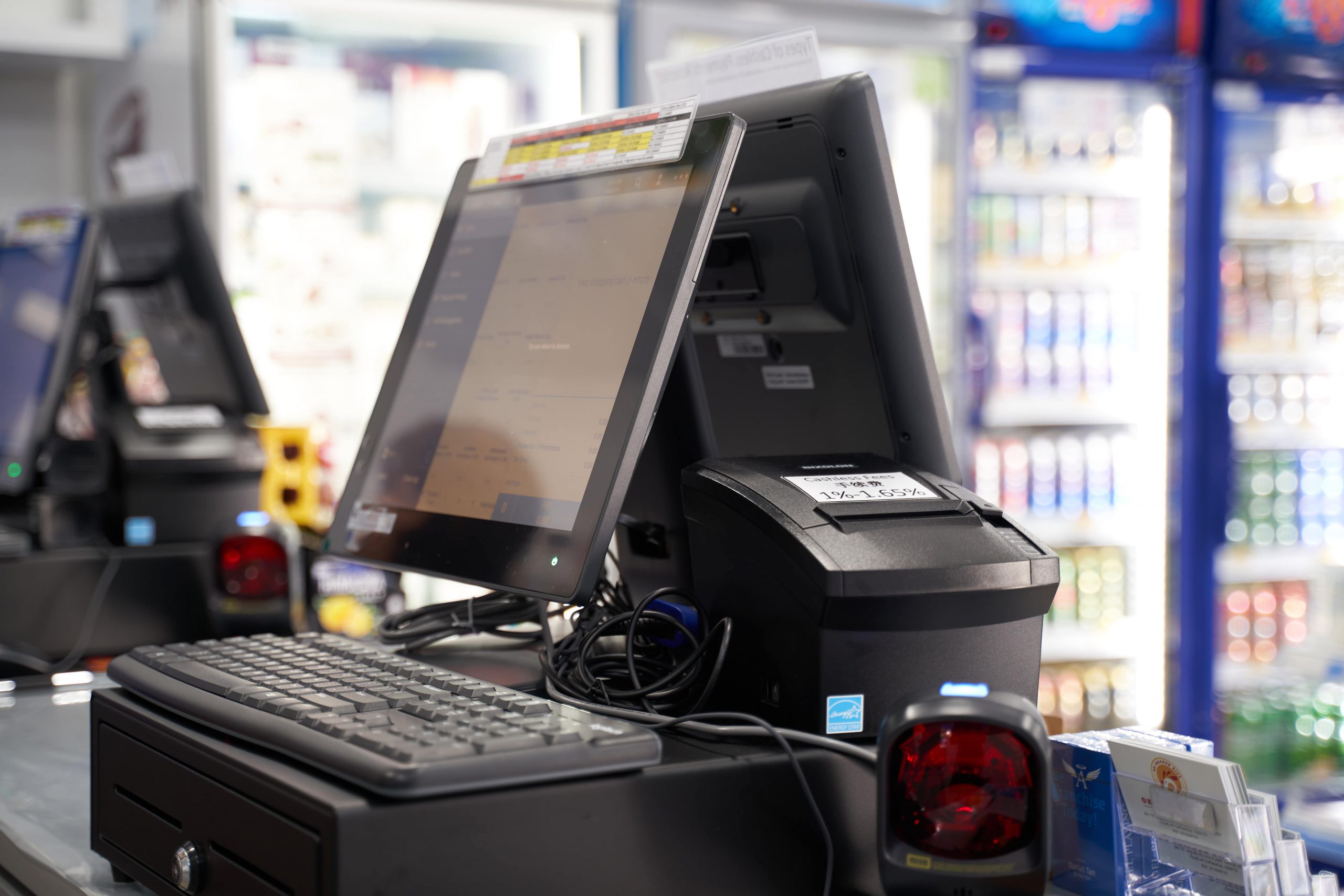
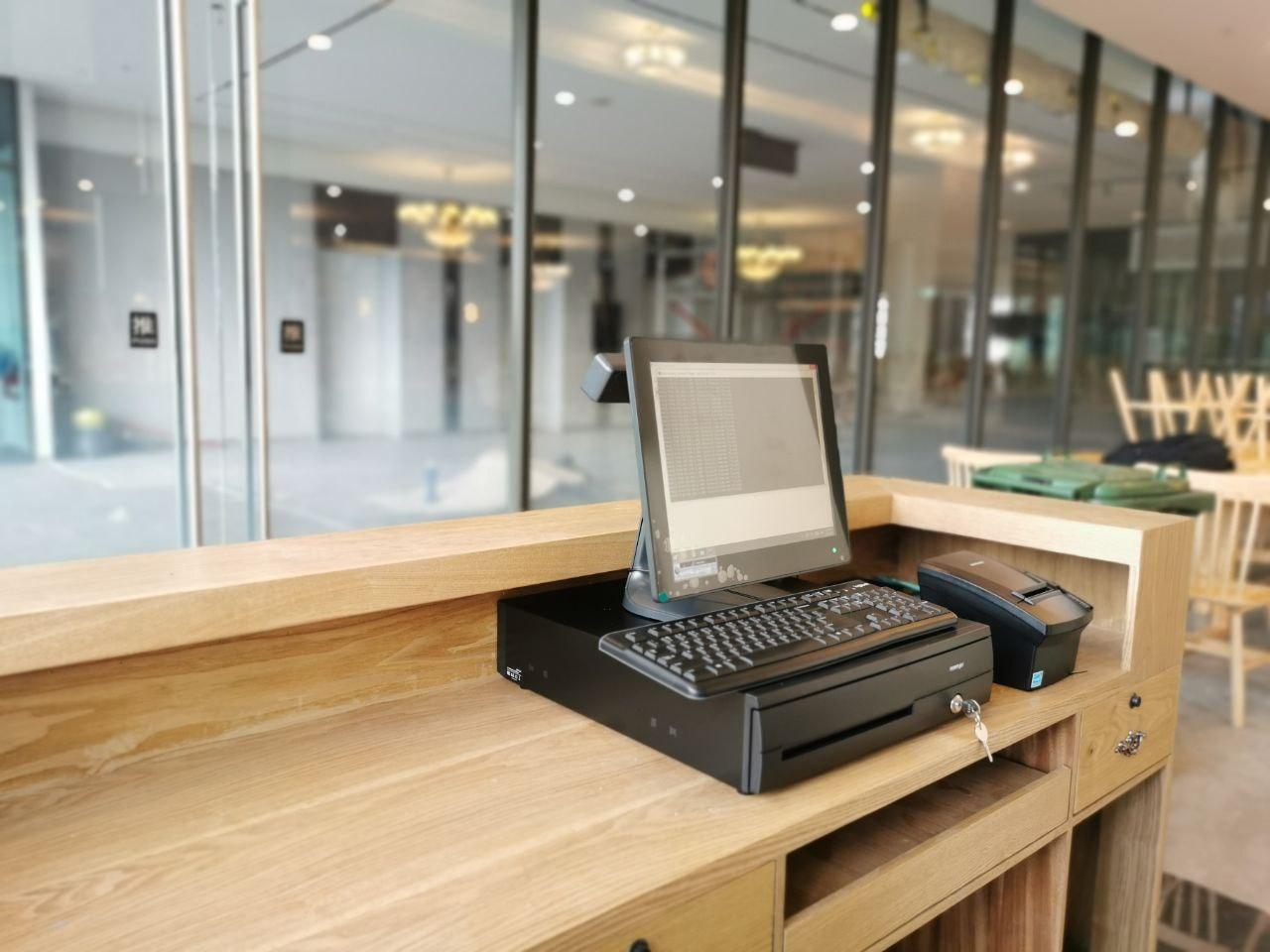
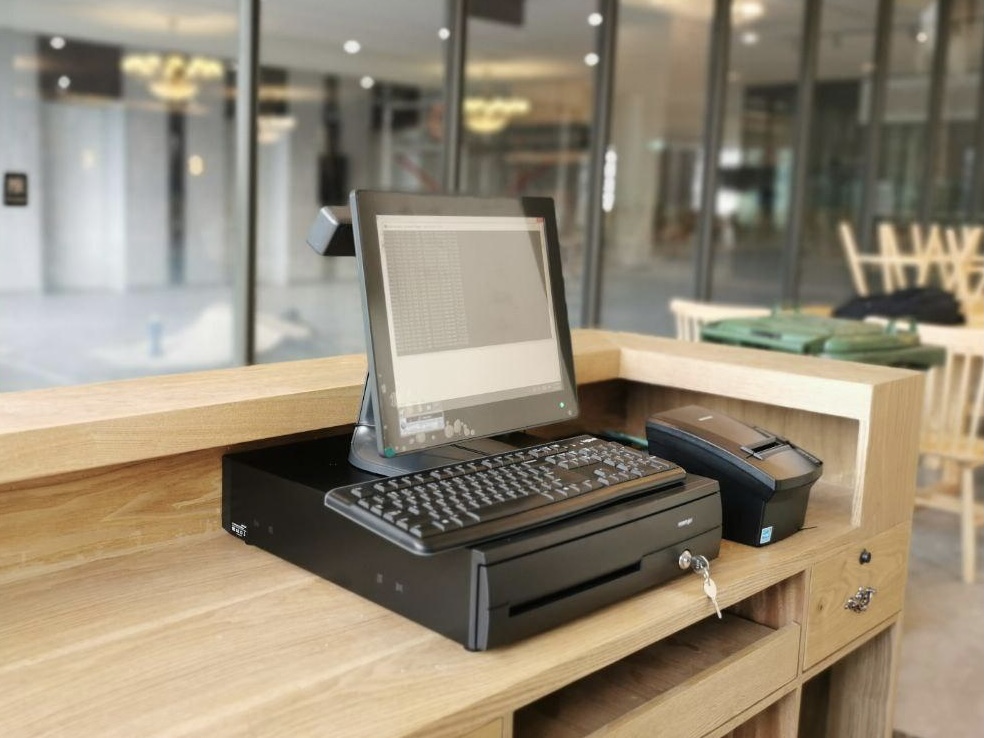
A point of sale system combines hardware and software to process transactions while managing essential business operations. The hardware side includes familiar components: monitors or tablets for displaying items, barcode scanners for quick product lookup, card readers for contactless payments, receipt printers, and secure cash drawers.
The software layer handles the intelligence. Sales tracking generates reports that show which products move fastest during specific hours or seasons. Inventory management flags low stock before you run out, reducing lost sales. Employee management monitors shift patterns and performance. Customer analytics reveal purchasing habits, enabling targeted promotions that actually work.
Traditional cash registers simply rang up sales. Modern POS systems function as your business command centre, connecting every transaction to actionable insights.
Cloud-Based POS Systems: Accessibility with Trade-Offs
Cloud POS systems store data on remote servers accessed through the internet. This architecture delivers significant advantages for multi-location businesses or owners who need to monitor operations remotely.
Real-time data syncing means checking yesterday’s sales from your mobile whilst meeting suppliers. Software updates roll out automatically, with no technician visits required. Scaling up simply involves adding new terminals without complex server configurations.
The monthly subscription model spreads costs over time, reducing upfront investment. However, these recurring fees accumulate. A S$150 monthly subscription totals S$1,800 annually, potentially exceeding the cost of one-time software purchases over several years.
Internet dependency creates vulnerability. Connection drops can halt transactions during peak hours. Data security relies entirely on your vendor’s protocols. Some providers claim ownership rights to your customer data, which raises privacy concerns worth clarifying before signing contracts.
On-Premise POS Systems: Control with Responsibilities
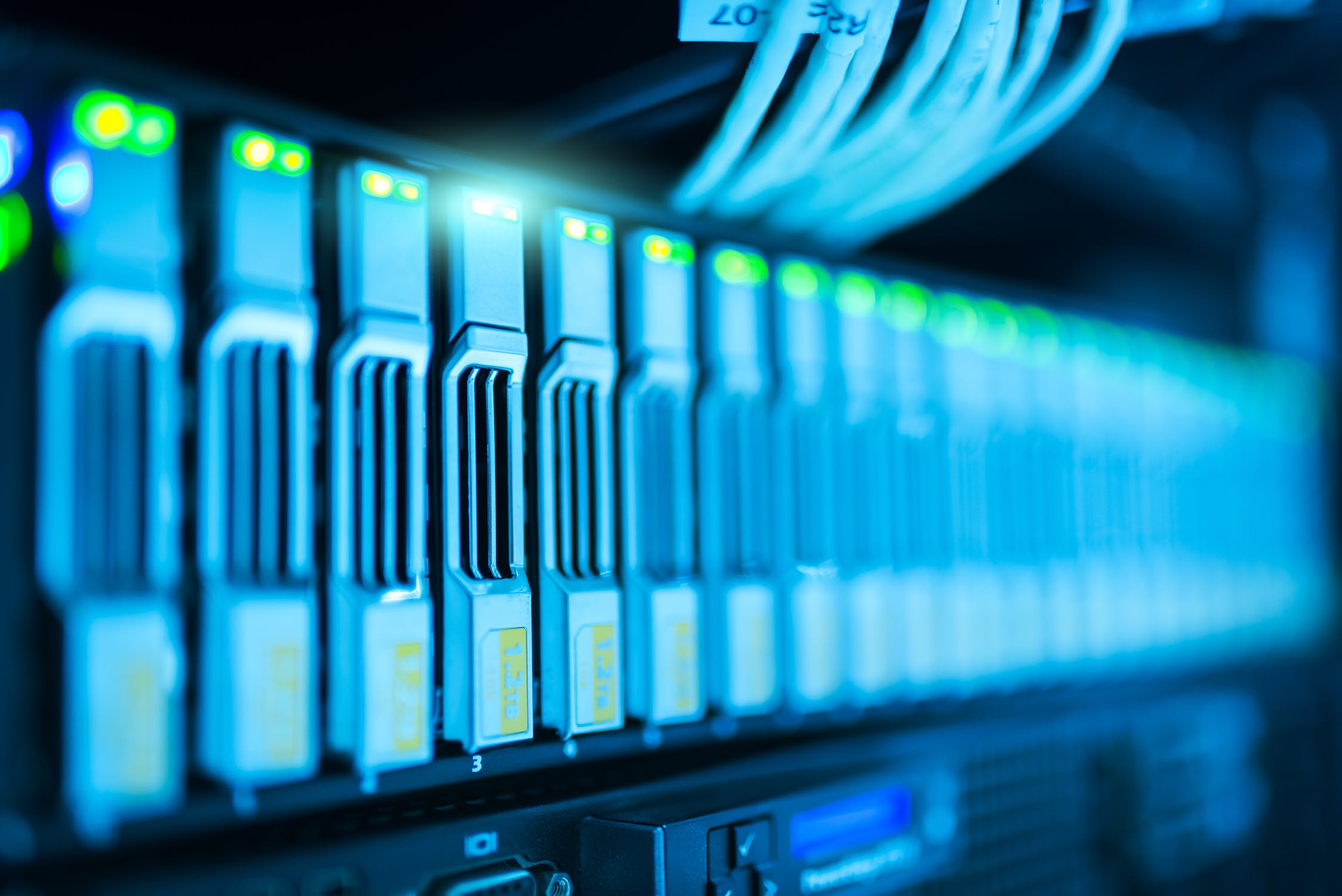
On-premise systems store all data locally on your business premises. This self-contained approach suits businesses prioritising data control and operational independence.
Processing speeds often exceed cloud systems since transactions don’t require internet round trips. Your customer database remains physically under your control, addressing privacy concerns. The system continues functioning during internet outages—essential for businesses in areas with unreliable connectivity.
The responsibility falls entirely on you. Software maintenance, updates, and troubleshooting require either technical expertise or expensive IT support contracts. Hardware failures can result in catastrophic data loss without proper backup protocols. Adding new features means purchasing software upgrades rather than receiving automatic updates.
Initial costs run higher due to server hardware and software licensing. Recovery from system failures becomes exponentially more difficult as proprietary customisations accumulate over the years.
Hybrid POS Systems: Balancing Flexibility and Stability
Hybrid systems merge local data storage with cloud synchronisation capabilities. This architecture addresses weaknesses found in purely cloud-based or on-premise solutions.
Your system operates from local servers, maintaining full functionality during internet disruptions. When connectivity returns, data syncs to the cloud, enabling remote access to reports and inventory levels. Scheduled backups protect against hardware failures whilst maintaining data sovereignty.
Software updates arrive automatically, like cloud systems, yet the local processing ensures consistent transaction speeds. You control when to implement updates, avoiding forced changes during busy trading periods.
The balanced approach suits Singapore businesses needing reliability without sacrificing modern conveniences. Restaurants can’t afford downtime during dinner service, yet owners appreciate reviewing daily performance from home.
Selecting Your POS System: Practical Considerations
Your industry shapes requirements significantly. Retail businesses need robust inventory tracking with variant management for sizes and colours. F&B establishments require table management and kitchen display systems. Service businesses benefit from appointment scheduling integration.
Budget extends beyond purchase price—factor in monthly fees, payment processing rates, hardware replacement cycles, and training time. A cheaper system costing hours in workarounds ultimately costs more than a slightly pricier, efficient solution.
Vendor support quality matters immensely. Local Singapore providers offer faster response times and a better understanding of regional payment methods like PayNow integration. Overseas vendors might offer lower prices but struggle with time zone differences and local compliance requirements.
Integration capabilities determine long-term value. Your POS system should connect with accounting software, e-commerce platforms, and customer relationship management tools. Siloed systems create duplicate data entry and reconciliation headaches.
Implementation and Long-Term Success
Transitioning to a new POS system requires planning beyond installation day. Staff training determines whether your investment delivers value or creates frustration. Schedule comprehensive training sessions, create reference materials, and designate a point person for troubleshooting during the adjustment period.
Data migration from existing systems needs careful attention. Verify that product catalogues, customer records, and historical sales data transfer accurately. Test thoroughly before going live.
Regular system audits ensure you’re utilising available features. Many businesses use only 40% of their POS capabilities, missing opportunities for efficiency gains. Quarterly reviews with your vendor can uncover underutilised functions that solve persistent problems.
Making Your Decision
The right POS system eliminates daily friction whilst providing visibility into business performance. Cloud systems suit mobile businesses or those comfortable with internet dependency. On-premise systems appeal to businesses prioritising data control and having technical resources. Hybrid systems offer balanced solutions for businesses wanting reliability with modern conveniences.
Evaluate based on your specific operational needs, not marketing promises. Request demonstrations using your actual products and workflows. Speak with current users in similar industries. Verify contract terms around data ownership, termination clauses, and support availability.
Your POS system should simplify operations, not complicate them. The best choice handles today’s requirements whilst adapting to tomorrow’s growth.